 English,
 Spanish,
 Polish,


Free Consultation
630-932-9100

-

- Home
- Our Firm
- Practice Areas
- Divorce
- Alimony and Maintenance
- Child Support
- College Expenses
- Special Needs Children and Divorce
- Parental Responsibility / Custody
- Sole Custody vs. Joint Custody
- Parenting Plans and Visitation
- Child Relocation
- Property and Asset Division
- Retirement, 401k Accounts and Pensions
- Debt Division
- Post Decree Modifications
- Post Decree Enforcement and Contempt Hearings
- Dissolution of Arranged Marriages
- Tax Consequences and Divorce
- Uncontested Divorce
- Divorce Involving Mental Health Issues or Addictions
- Divorce and the Stay-at-Home Parent
- Divorce FAQs
- Family Law
- Personal Injury
- Motor Vehicle Accidents
- Auto Accidents
- Truck Accidents
- Amazon Delivery Driver Accidents
- Motorcycle Accidents
- Rideshare Accidents
- Pedestrian Accidents
- E-Bike/E-Scooter Accidents
- Boat Accidents
- Aviation Accidents
- Premises Liability
- Medical Malpractice
- Nursing Home Abuse
- Wrongful Death
- Construction Site Accidents
- Other Serious Injuries
- Personal Injury FAQs
- Workers' Compensation
- Construction Accidents and Injuries
- Warehouse and Factory Worker Injuries
- Healthcare Worker Injuries
- Office Worker Injuries
- Shipping and Trucker Worker Injuries
- Types of Workers' Compensation Injuries
- Back and Neck injuries
- Repetitive Stress Injuries
- Arm and Shoulder Injuries
- Knee Injuries
- Occupational Diseases
- Specific Accident Cases
- Who We Represent
- Workers' Comp Death Benefits
- Filing a Workers' Comp Claim
- How to Qualify for Benefits Under Workers' Comp
- Vocational Rehabilitation Rights
- Workers' Compensation FAQs
- Criminal Defense
- Immigration
- Bankruptcy
- Estate Planning
- Real Estate
- Divorce
- Success Stories
- Testimonials
- Media
- Blog
- Contact Us
When Spiritual Custody is the Issue
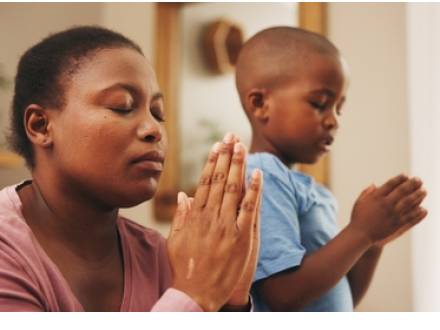 Religion is often a deeply personal part of family life. When parents from different faith backgrounds get divorced, questions about which religion their children will grow up in can come up.
This remains a common source of conflict in 2026 child custody cases. If you are dealing with a religious dispute in your divorce, a DuPage County divorce lawyer can help.
What Is Spiritual Custody?
"Spiritual custody" is an informal term for whichever parent has the right to make decisions about a child's religion after a divorce. This can include which faith the child grows up in, which services or ceremonies they attend, and which religious schools they go to.
The First Amendment to the U.S. Constitution protects each parent's right to practice their own faith. Unless a religious practice causes, or is very likely to cause, serious harm to the child, an Illinois court will usually leave these decisions to the parents. Courts do, however, have the power to step in and make rulings on which parent can make decisions for their child’s religion.
How Do Illinois Courts Handle Decisions About a Child’s Religion?
If parents already have an agreement about their child’s religious upbringing, the court will honor that per Illinois law 750 ILCS 5/602.5 (unless, as stated before, it will be damaging to the child).
Sometimes parents can’t agree, and the court needs to step in. In these cases, it will generally keep the pattern of religious practice that has already been established for the child. If a parent who previously had no interest in the child's religion suddenly has a lot of opinions about it, the court will most likely not give that parent decision-making power about it after the divorce. If there was no pattern of religious practice in the child’s life before the divorce, the court may grant joint decision-making responsibility or give one parent responsibility.
Can My Child Have a Say in Religious Matters?
Children who are old and mature enough may have some input in religious decisions. There is no set age that decides if a child should get their own say. Children’s preferences will be noted, but they are not the deciding factor. A judge still looks at what is in the child's overall best interest.
What Are Some Religious Questions That a Parenting Agreement Can Address?
A parenting agreement might specify things like:
- Which religious holidays each parent will celebrate with the child
- Whether the child will receive religious education or go to services during each parent's parenting time
- How parents will handle major religious milestones like baptisms, bar or bat mitzvahs, or confirmations
- Whether either parent can enroll the child in a religious school
Having these terms written into a formal agreement is helpful to everyone and is a required part of a parenting plan in a divorce. While parents may intend to honor whatever the arrangements were before the divorce, it’s usually better for everyone if expectations are clearly set from the beginning.
What Should I Do If My Spouse Won’t Compromise on Religious Issues in Our Divorce?
If your spouse will give no ground on issues of religion, you have a few options on how to proceed.
Try Structured Negotiation First
Back-and-forth arguments between spouses tend to escalate. Working through attorneys or a neutral mediator can help couples compromise. A mediator who has experience with family law can help both sides find a workable middle ground.
Focus on the Child’s Best Interests, Not Your Own
This is not only better for your child, but also for your case. Courts care much more about what's good for the child (stability, continuity, avoiding confusion) than arguments about whose faith is better.
Remember that as children grow, they often come to their own conclusions about religion anyway. Making them take part in one faith over another is no guarantee that they will hold to that faith later in life.
Use Documentation When Necessary
Sometimes, a parent will use religion as a way to alienate the child from their other parent. If your spouse is being unreasonable or using religion as a way to undermine your relationship with your child, keep records. Texts, emails, and notes about specific incidents are all important evidence if the case goes to court.
Know When to Let the Court Decide
If your spouse won't budge and an agreement can't be reached, a judge can include religious upbringing provisions in the parenting order.
Call a Naperville, IL Parenting Plan Lawyer Today
It can be difficult to navigate emotionally weighty topics like religion. That’s why it’s so important to have thoughtful help from a legal professional. A DuPage County parenting plan attorney can be just that for your case.
Mevorah & Giglio Law Offices has over 175 years of combined experience helping Illinois families through difficult divorce and custody matters. Our lawyers are committed to client-focused service and frequent communication so you always know where your case stands. Call us today at 630-932-9100 for a free consultation.









Offices in 3 Convenient DuPage County Locations
Lombard
900 E. Roosevelt Road
Lombard, IL 60148
Phone: 630-932-9100
Fax: 630-932-9868
MAP & DIRECTIONS
Bloomingdale
134 N. Bloomingdale Road
Bloomingdale, IL 60108
Phone: 630-529-2400
Fax: 630-529-7630
MAP & DIRECTIONS
Naperville
Phone: 630-420-1000
By Appointment Only

 Make a Payment


